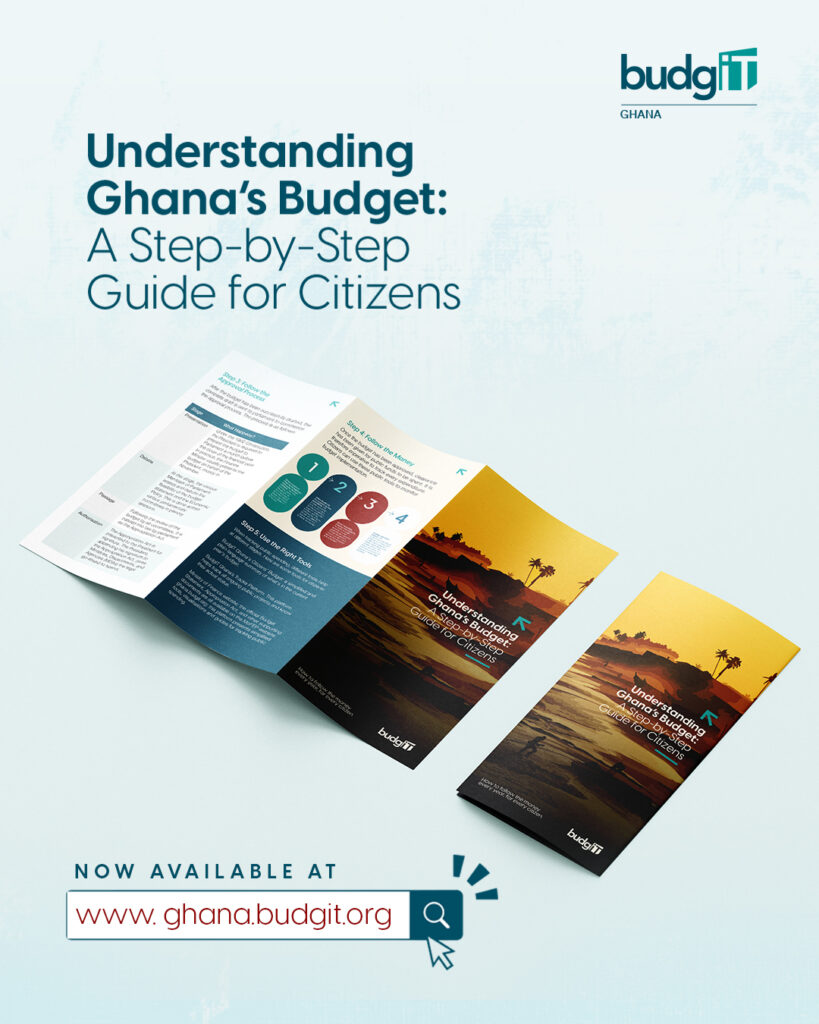
Understanding Ghana’s Budget: A Step-By-Step Guide for Citizens
Ghana’s national budget is one of the country’s most important public documents, setting out the government’s projected revenue, expenditure and development priorities for each fiscal year. Yet, despite its direct impact on the lives of every Ghanaian, many citizens have limited knowledge of how the budget is prepared, approved and implemented, or how they can participate in the process and hold public institutions accountable.
This guide provides a practical, step-by-step approach to understanding and following the national budget. It takes citizens through the four legal stages of the budget cycle; formulation, approval, implementation, and monitoring and reporting, while explaining how they can contribute to budget discussions, track public expenditure and scrutinise the use of public funds. It also introduces key accountability tools, including GIFMIS, GHANEPS, the District Assemblies Common Fund, the Auditor-General’s Report and BudgIT Ghana’s Tracka platform, to help citizens follow public money from allocation to delivery. Ultimately, the guide makes a simple but important case: the national budget is not the preserve of policymakers and public officials. Every citizen has a stake in how public resources are raised, allocated and spent, and the knowledge to follow the money is an essential part of active citizenship.