
When we first shared the story of Abbe, it was a difficult one to tell. It was a story shaped by daily struggles and the indignities that a lack of access to basic amenities means for communities like Abbe; it was a story of a longstanding water crisis that forced residents to walk long distances for unsafe water and a broken, dilapidated bridge that cut the community off and limited access to basic services. We spotlighted this story not to sensationalise hardship, but to make visible the lived realities of a crucial farming community that had been ignored for far too long, and had crippled the quality of daily living for locals.
Today, we return to the Abbe story with something different. This is a follow-up story rooted in good news, collective effort and the quiet power of civic advocacy. We share this as a reminder that when communities speak up, are actually heard, seen and adequately supported, real change can happen.
The Journey From Advocacy to Response
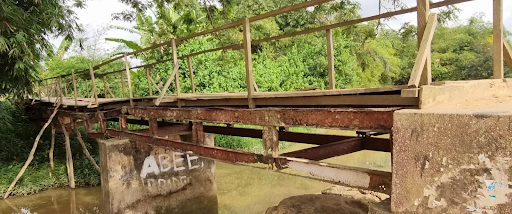
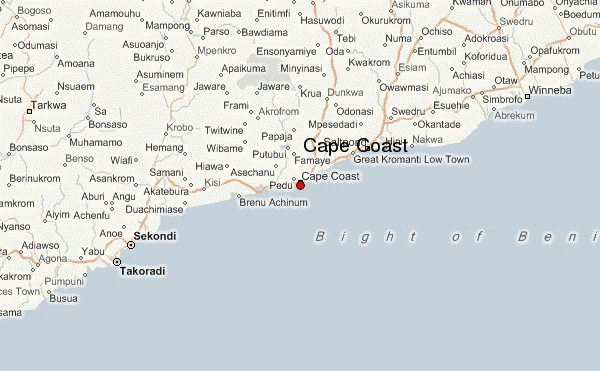
Sometime in March last year, our Tracka team visited the Central Region as part of our #NoCommunitiesLeftBehind and arrived in Abbe, a small farming community tucked within Cape Coast, home to approximately 150,000 Ghanaians. The team made the unpleasant discovery of several outrageous challenges plaguing the village; challenges that were disheartening to say the least; a lack of access to potable water and a transportation hazard in the form of a battered and broken down contraption of a bridge over the community’s only source of water; a small, unsafe and unsustainable body of water. The community leaders informed the Tracka team that the situation remained the same, despite their repeated pleas to the government.
In response, we developed the first Abbe story and launched extensive online advocacy to secure attention and an urgent response from the government and stakeholders. After the original story was published and the discourse and advocacy began, Abbe’s situation made waves and eventually drew the attention of organisations willing to act. Two Non-governmental Organisations (NGOs) stepped forward in response. Their actions have begun to shift residents’ reality, once again proving that civic advocacy and impact-driven storytelling can move people from awareness to action.
Abbe Gets a Gamechanger at the Heart of the Community
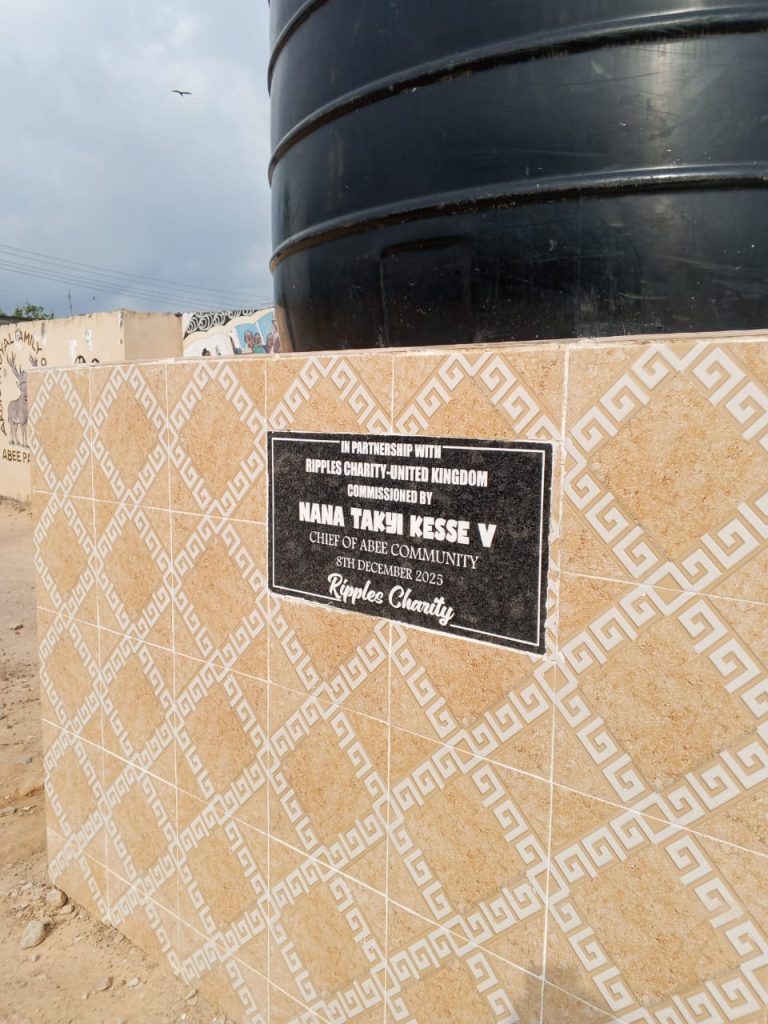
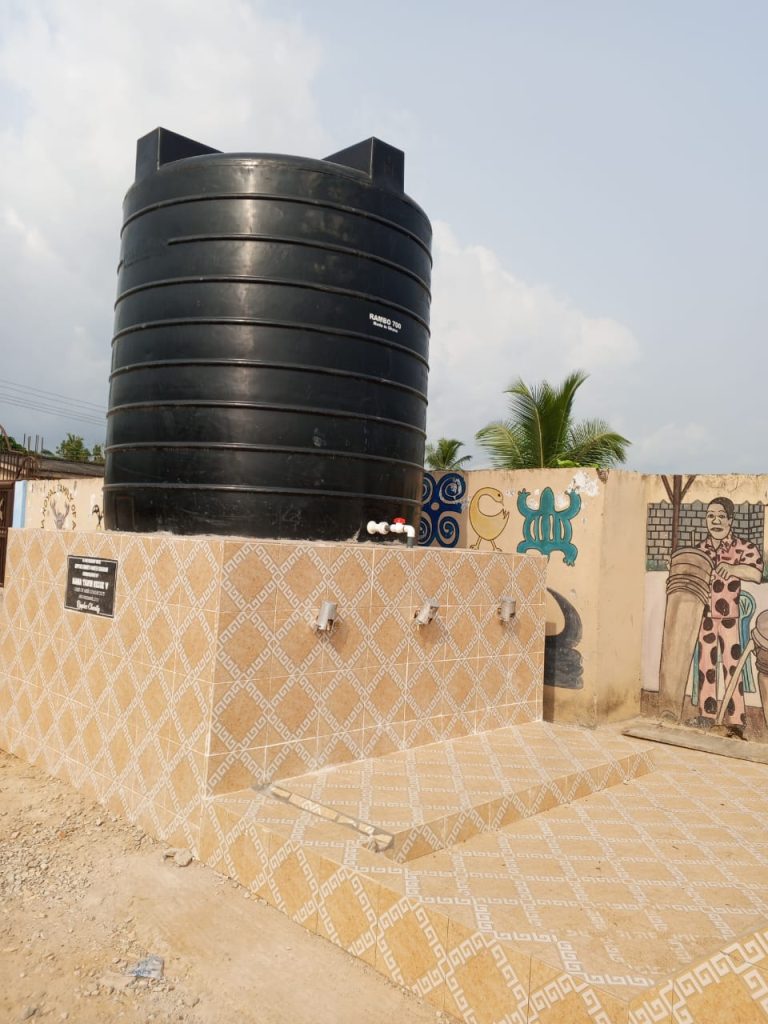
Ripples Charity has delivered a significant breakthrough for Abbe. The charity has successfully constructed a borehole that now provides clean, accessible water to the community. Beyond drilling the borehole, the Ripples Charity prioritised access and functionality.
A large polytank has been installed, fitted with three taps to ensure smooth, efficient water flow. The structure sits right at the centre of the town, making it easy for residents of all ages to fetch water. The fetching area has been adequately tiled, ensuring cleanliness, safety, and dignity for users.
This development has brought untold joy to the village because, for them, it is a transformation of daily life. For families, women, and children who once worried about where the next bucket of water was coming from, this is a relief, a timesaver, and a source of pride. Clean water is now a part of everyday life in Abbe, as it should be for every citizen and every community in Ghana.
Double Blessings as Another Borehole Goes Up
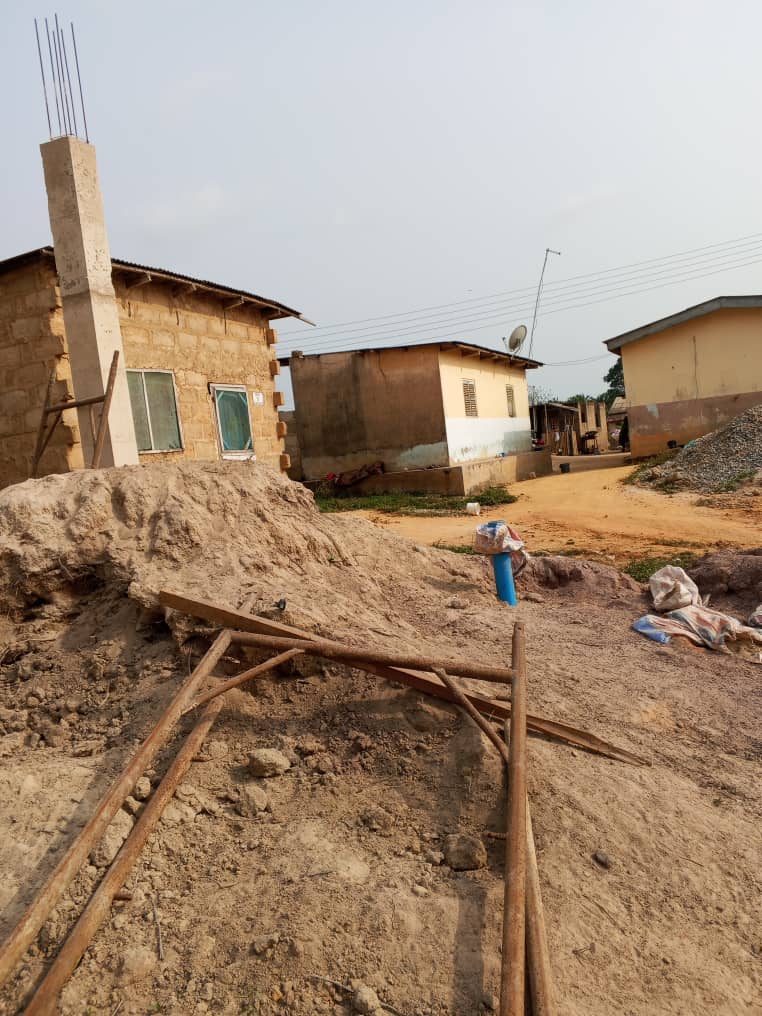
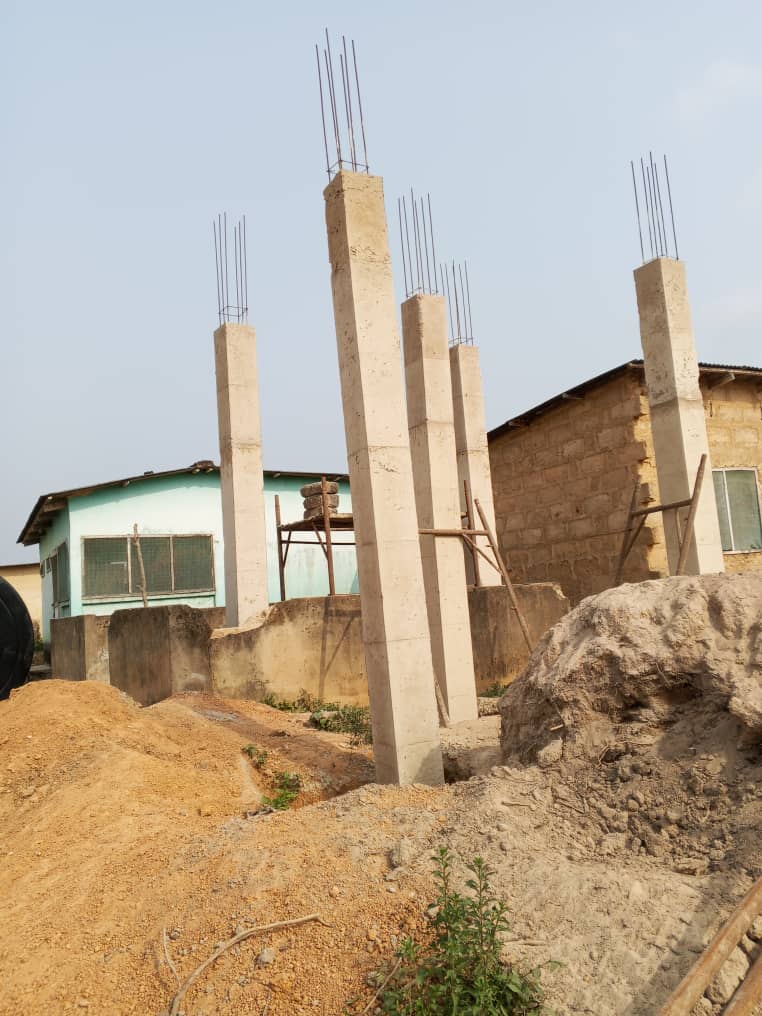
Interestingly, we are also excited to report that the momentum does not stop there. STAG Foundation, the second of the aforementioned NGOs, has also responded by beginning work on another borehole in another part of the town. This second project is strategically designed to facilitate access for residents in that part of Abbe, reducing pressure on a single potable water source.
Although this second project is still ongoing and awaiting formal commissioning, the drilling process is already underway. For the community, it is encouraging news. For the women and children who, in such societies, bear the responsibility of finding water for their homes, it is a sigh of relief. These exciting developments signal to the people that their needs are as important as those of any community in Accra.
Why Do We Think This Goes Beyond Water?
Access to clean water is foundational because it affects health, education, productivity, and the overall well-being of human beings. These interventions mean fewer hours spent searching for water, fewer water-borne diseases, and more time for school, work and community life.
Just as importantly, this progress shows what is possible when advocacy connects the right voices to the right actors. The news at Abbe is encouraging for us at BudgIT Ghana because it demonstrates civic engagement working as it should.
The Road Still Ahead
While the water situation has seen meaningful improvement, Abbe’s story is not finished. The broken bridge highlighted in the first story remains a challenge that continues to affect mobility, safety, and access. We will continue the advocacy and keep connecting stakeholders to the problem till the bridge is repaired and reinforced for the protection and longevity of the community.
It is far from over, but a win is still a win, and the outcomes thus far reflect the effort and work that have gone into this story and also prove that BudgIT Ghana’s work through Tracka is paving a new course for citizen-led accountability. We will continue to follow this story not just to document challenges but to celebrate solutions when they emerge, because we believe that no community, including Abbe, should be left behind.