
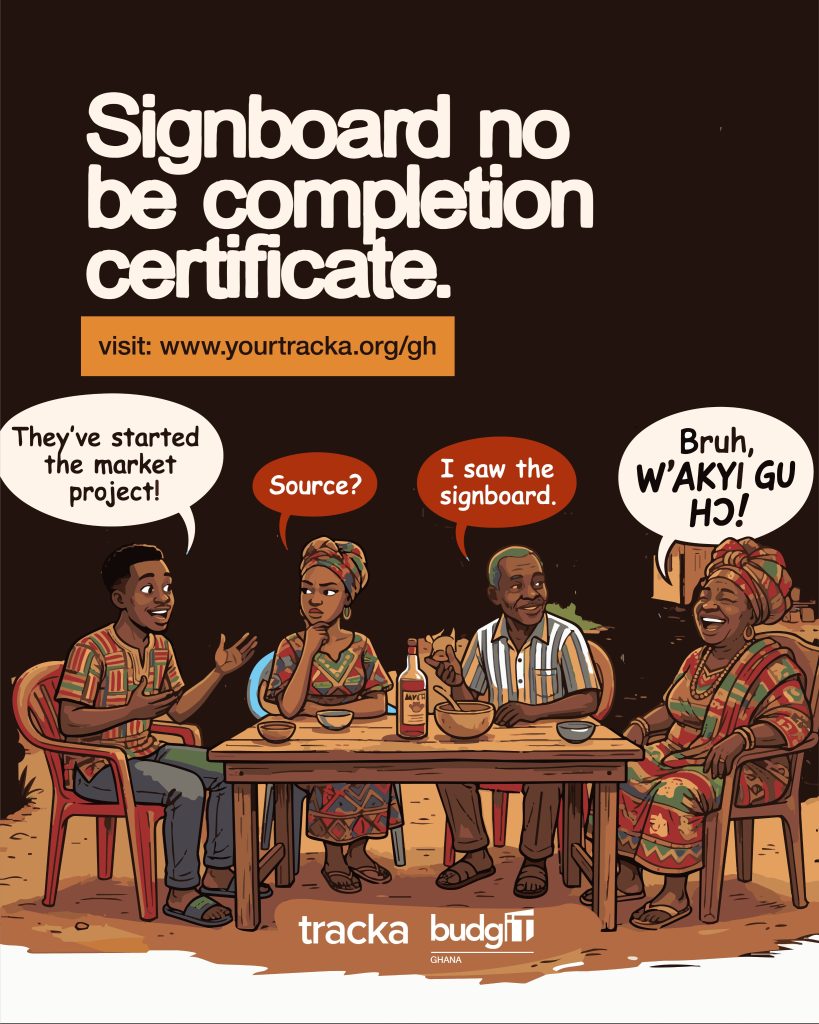
There is a peculiar contradiction at the heart of Ghana’s civic life. We are a people who loudly desire better governance, stronger institutions, improved public services and leaders who act in the national interest. Yet, in our everyday interactions, we sometimes create an environment where the very behaviours required to build that kind of society are mocked, discouraged or dismissed. The citizen who asks too many questions is considered troublesome. The person who insists on following due process is seen as unrealistic. The individual who chooses integrity over convenience is often treated as though they have misunderstood the rules of survival. In Ghanaian popular culture, there is a name attached to this kind of person: Yakubu
The “Yakubu” phenomenon may appear harmless – another example of Ghanaian humour and our ability to create identities around shared experiences. But beneath the laughter lies a deeper social commentary about how we perceive responsibility, accountability and civic duty. To call someone a Yakubu is often to suggest that they are taking things too seriously, that they are refusing to play along with some unwritten rules that govern everyday life. It is the subtle suggestion that someone who insists on doing what is right in an environment where shortcuts is somehow the foolish one, but perhaps the uncomfortable question we must ask is, What kind of society do we become when the person committed to doing the right thing is the one we ridicule? The Yakubu Syndrome is not simply about one individual or open behaviour; it represents a wider civic challenge – the gradual normalisation of disengagement. It reflects a society where citizens may complain about the consequences of poor governance but hesitate to participate in the processes that shape governance itself. We demand accountability after problems emerge, but we do not always cultivate the culture of attention, questioning and participation that prevents those problems from occurring in the first place.
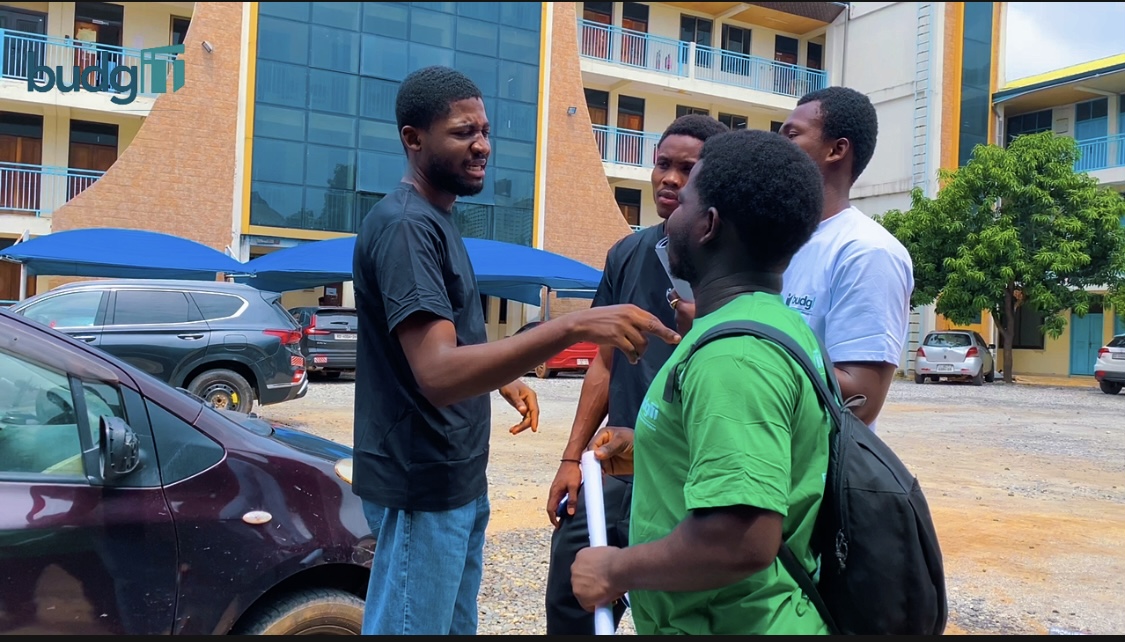
The Culture of Surviving Instead of Shaping
Ghana’s history has produced citizens who are remarkably adaptive. From economic uncertainty to institutional challenges, Ghanaians have developed an impressive ability to navigate difficult circumstances. We know how to find solutions, create opportunities, and survive situations that would overwhelm others. This resilience is one of our greatest strengths. However there is a danger when a culture of survival begins to replace a culture of active citizenship. Survival teaches individuals to work around broken systems; citizenship equips individuals to ask and to act on how to improve those broken systems. Survival focuses on getting through the day, but citizenship focuses on building for the conditions of tomorrow.
This distinction matters because many of the governance challenges citizens complain about everyday are not created overnight. They are often the result of years of fragmented and weak public scrutiny, weak accountability mechanisms and citizens being disconnected from decisions that affect their lives. When citizens believe that public affairs are only the responsibility of politicians, technocrats or institutions, they surrender a significant portion of their democratic power. A democracy cannot function effectively when citizens only become interested in governance during elections. Democracy is not a four-year event- it is a daily relationship between citizens and the institutions that serve them. It exists when a community asks why a project has stalled, when they seek clarity on how public funds are being used, when they demand explanations for decisions that affect their livelihoods and when they understand that public resources belong to them.
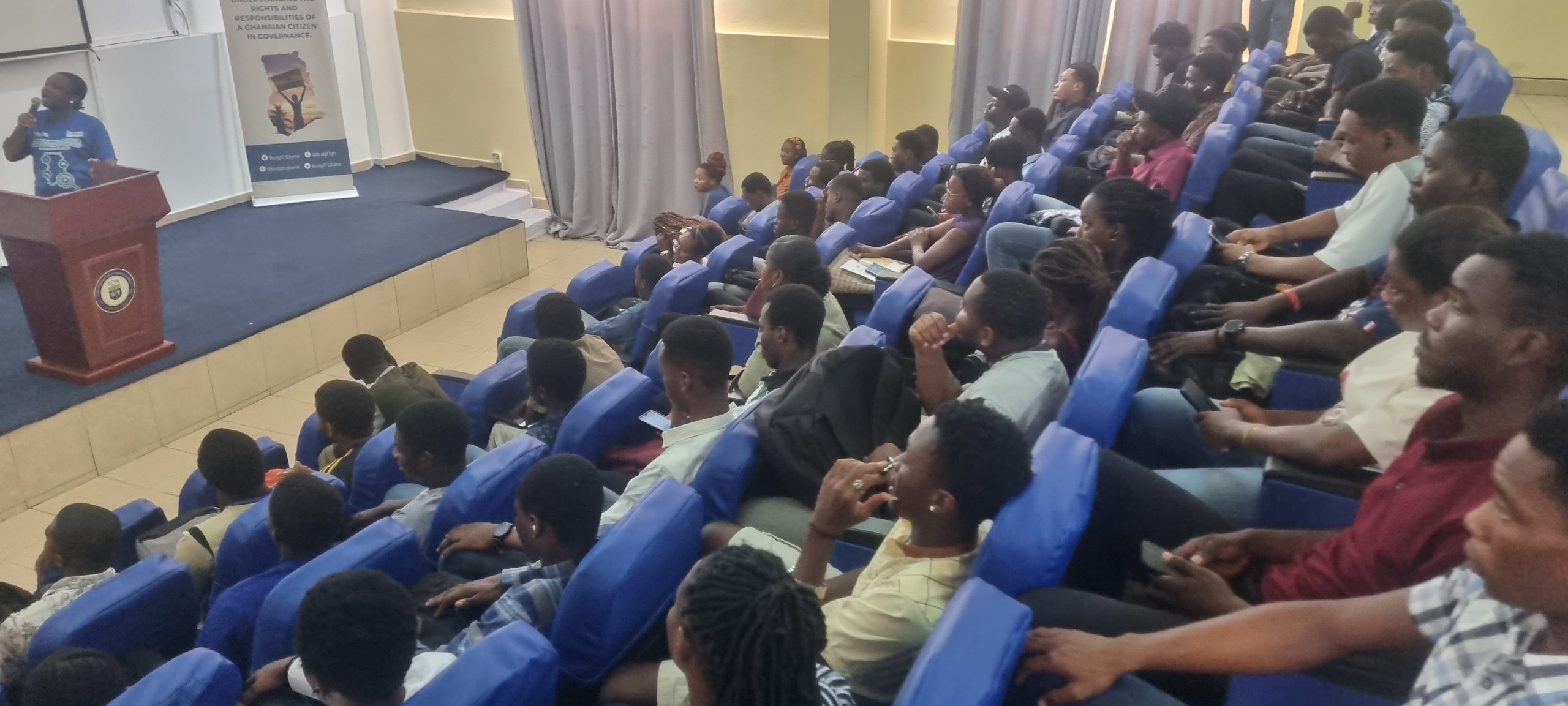
The Strange Punishment of Caring
One of the most concerning aspects of the Yakubu Syndrome is the way it socially discourages participation. Many citizens care deeply about what happens in their communities, but they often hesitate to speak because they do not want to appear naive or overly idealistic. The person who reports a sanitation problem may be told they are looking for attention. The person who questions a public project may be accused of attacking leaders. The young person who spends time understanding the budget and policies may be tagged as unnecessarily serious. Over time, these reactions create a culture where silence becomes easier than participation. However, societies do not become accountable because everyone agrees that accountability is important. They become accountable because individuals are willing to step up even when it is inconvenient.
Every institution exists because someone questioned what existed before. Every reform was driven by people who refused to accept that things could not change. We are literally here today, as Ghana, because a young Ghanaian, Osagyefo Dr. Kwame Nkrumah refused to believe that self-government was overly idealistic or impossible. Every improvement in public life began with citizens who believed that their voices mattered. The irony is that the same people we sometimes dismiss as difficult are often the ones pushing society forward.
Why Does Active Citizenship Matter in Modern-Day Ghana?
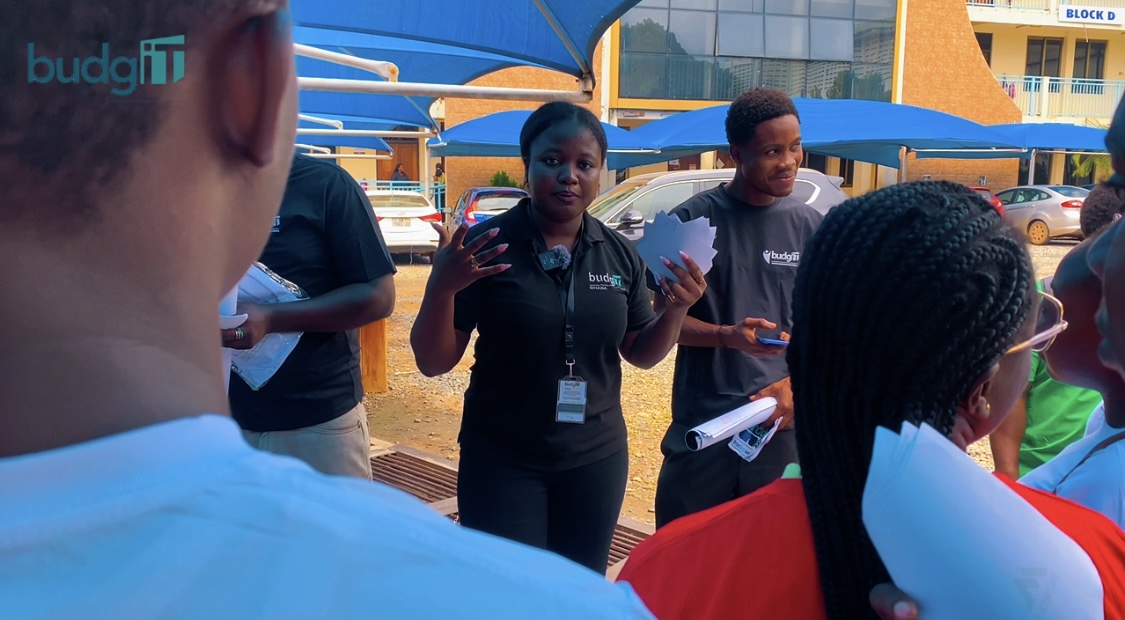
At the heart of active citizenship is a simple idea; citizens have a right and responsibility to understand how decisions are made and how public resources are used. A national budget is not just a technical document prepared by government officials; it is a reflection of national priorities. When citizens understand budgets, track projects, and engage public institutions, they strengthen democracy. They move from passive recipients to active stakeholders in Ghana’s development. This is the foundation behind initiatives such as Tracka, which seeks to bridge the gap between public commitments and community realities by helping citizens monitor projects in their communities, report challenges and engage duty bearers. The question is not whether citizens should care about governance; it is what happens when they stop caring.
Perhaps Ghana Needs More Yakubus
Maybe we have misunderstood the Yakubu all along. Perhaps the person we call too serious is the one actually paying attention. Perhaps the person we describe as difficult is our jolting reminder that public institutions belong to the people. Perhaps the person we are laughing at today is the one who will help build the systems we demand tomorrow. Ghana does not need fewer citizens who ask questions, it needs more. It needs people who understand that patriotism is not only expressed through national celebrations but through everyday responsibility. It needs more citizens who understand that accountability is not hostility towards leaders, but a necessary ingredient for good governance. It needs more people willing to reject the idea that caring is foolish.
The greatest threat to our democracy is not corruption, weak institutions or poor leadership; it is the quiet acceptance that nothing can change. So perhaps the next time someone calls you a Yakubu because you insist on doing the right thing, asking questions or demanding better, the response should not be embarrassment; it should be pride. The greatest Yakubu in Ghana’s history is the reason we are here today; the reason we have our own sovereign government, parliament, justice system and free media; the reason why we are a free state and not a colony, so imagine, if Osagyefo Dr. Kwame Nkrumah was “embarrassed” or discouraged to fight for Ghana and be labelled a Yakubu back then, where would you be?
Think about that. Ghana’s future depends on creating and reinforcing a society where a Yakubu is no longer a joke, but a badge of honour.